Hey folks!
Recently, I’ve been reading Play, by Dr Stuart Brown. It’s fascinating so far! He makes a case for play being an essential piece of humans, next to the other essentials like survival, food, and safety. Dr. Brown argues that, across the animal kingdom, play is an instinct that allows bears, for example, to develop hunting and social skills. After all, what purpose would mountain goats have to goof around on a dangerous rocky slope? Surely, evolution would have knocked out that instinct if it wasn’t useful in survival.
Even though play may seem purposeless at first, it wires the brain and prepares us for future scenarios and connection with others. In humans and animals, play develops intelligence, learning, traits, especially the ability to adapt to change.
Beyond the reasons for why we play, Dr. Brown talks about play histories which really caught my attention. Play histories are the collection of memories, events, and preferences related to play that have happened over the course of your life. Were you someone who loved to take things apart? Or maybe you spent a lot of time creating imaginative scenes with toys? Playing with others? If you were like me, you spent your time jumping from video game to video game.
Dr. Brown suggests that many adults have a play deficit, much like a sleep deficit. Many of our jobs don’t allow space for play, and definitely not in the ways that reflect our play histories.
But there certainly is a connection to happiness and joy between your play history and the work you do. Most happy, useful, and successful engineers at NASA’s Jet Propulsion Lab, for example, were the ones who spent time as children dissecting clocks and watches, figuring out what makes them work, and then putting them back together again. Why? Because they’re still engaging in the types of play they love and were drawn to as kids now as adults at work.
I wonder if that’s why I’m drawn to strategy or autonomy at work. I love to choose my own actions or paths at work and think through problems at small and big levels. I love to work on many things at once. As a kid, I played so many different types of video games–always changing strategies, playing different genres that required different tactics.
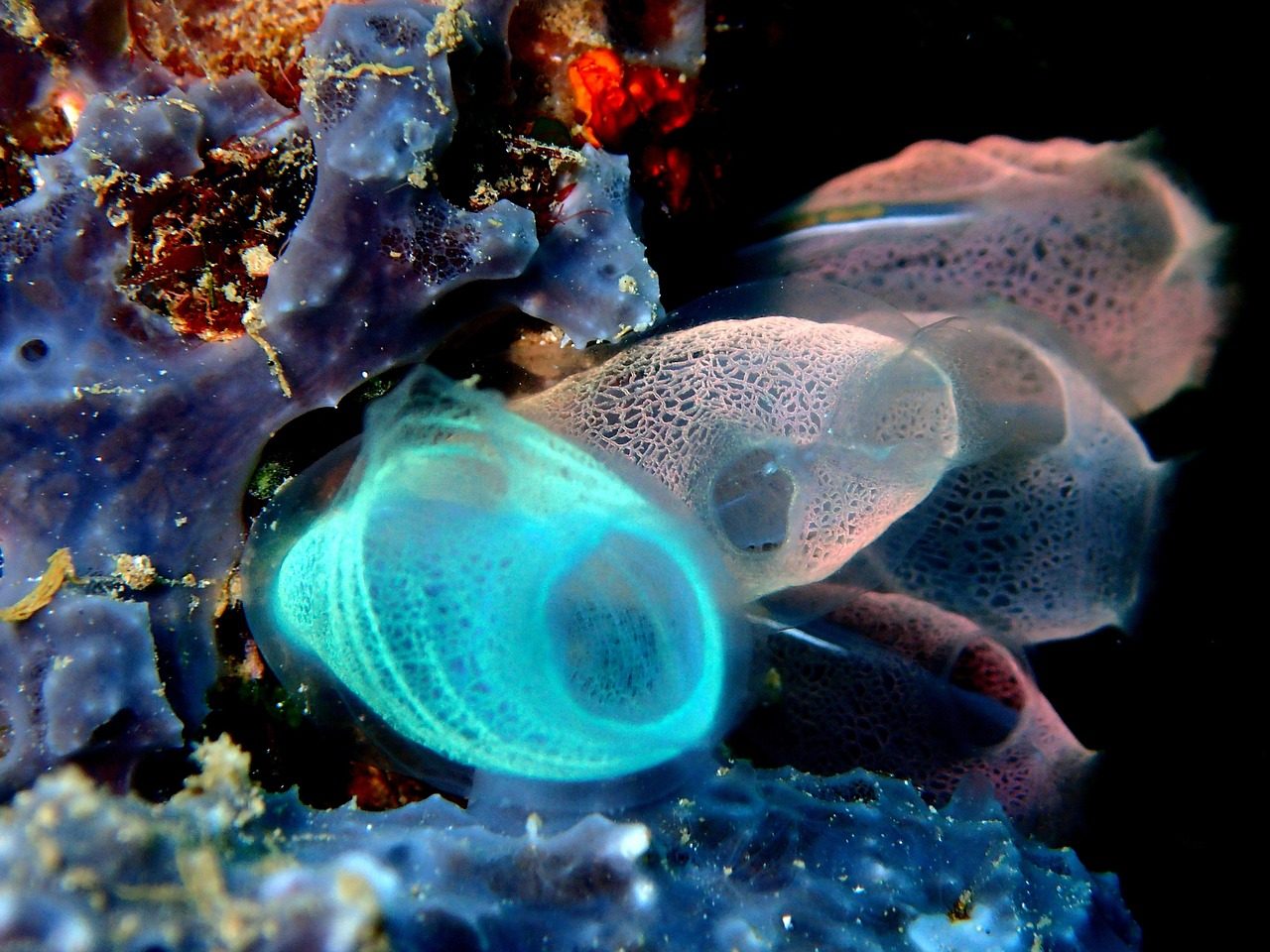
People are unique in that, unlike many of our animal connections, our brains are capable of incredible growth and neuroplasticity long past childhood. When we stop playing, our brains stop growing, and start slowing down, much like the sea squirt, one of our ancient chordate ancestors. The sea squirt starts life actively moving towards food sources. Eventually, it settles down somewhere and never moves again, just filtering water to survive. And then it pretty much cannibalizes its own nervous system…Because it doesn’t need it anymore.
While we definitely don’t do that, there’s plenty research to suggest that keeping your brain active and playing and making growth can decrease risk for Alzheimer’s, dementia, and even heart disease and other concerns that seemingly have nothing to do with play.
Well! This was meant to be a short newsletter today but I got carried away!
Think back on your play history–what did you do then for fun? What was enjoyable? What put you into a state of flow? Then, reflect on how what you do on a day to day basis, in and outside of work, connects.
Do you see a connection? Maybe a missing link?